

Simpler Data Flows to Benefit Expanding Companies
Businesses operating across Singapore and China are set to benefit from streamlined cross-border data transfer mechanisms under a draft initiative developed between regional authorities. A new joint guide aims to help companies navigate complex contractual negotiations and data protection laws across member states and China. This development was highlighted during high-level policy discussions and forms part of a broader push to harmonize digital standards across the region. Prior to the early 2010s, no Southeast Asian nations had general data protection laws, but countries like Malaysia, the Philippines, and Singapore enacted their first general data protection frameworks during that decade to address growing digital activity.
Mga Nilalaman
- Simpler Data Flows to Benefit Expanding Companies
- Building Collaborative Frameworks Across the Region
- Advancing Artificial Intelligence Governance and Safety
- Upgrading Economic and Trade Agreements
- Strengthening Cybersecurity and Countering Online Scams
- Managing Global Technology Dynamics and Openness
- Timeline of Key Digital and Diplomatic Developments
- At a Glance
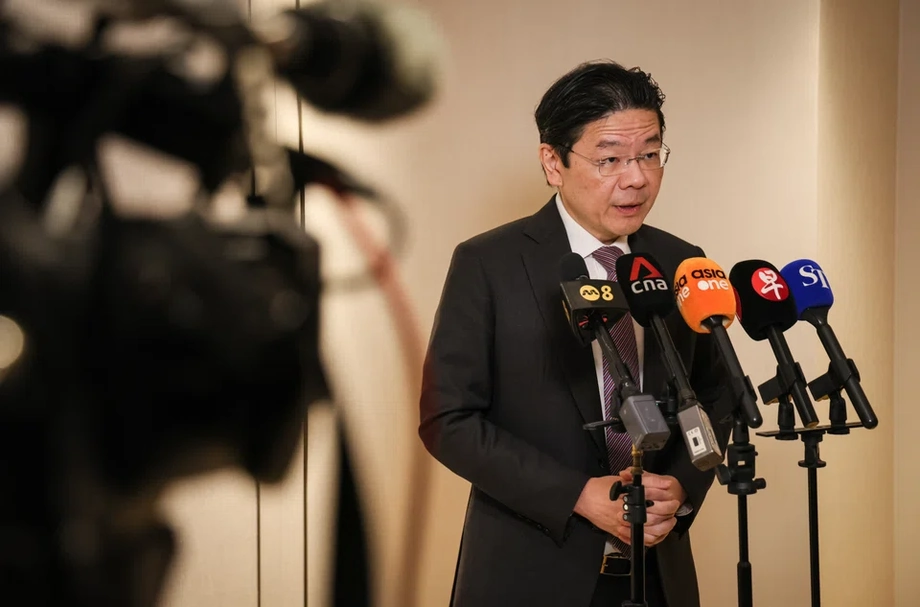
The push for simpler data architecture addresses long-standing challenges related to compliance costs and regional data movement. By mapping the ASEAN Model Contractual Clauses to China's Standard Contractual Clauses, authorities seek to remove compliance duplication for enterprises operating in both jurisdictions. Prime Minister Lawrence Wong noted during a recent diplomatic visit that Singapore intends to remain an open testing ground for diverse technologies while assisting businesses with regulatory alignment. Officials from the Infocomm Media Development Authority and the China Academy of Information and Communications Technology completed an exercise to align their respective artificial intelligence governance frameworks, helping companies deploy technologies safely across markets.
Building Collaborative Frameworks Across the Region
Digital ministers and officials gathered to advance regional cooperation, building on achievements from previous masterplans and setting new strategic goals for the decade. The sixth ASEAN Digital Ministers Meeting took place in Ha Noi, Viet Nam, from 15 to 16 January 2026, bringing together regional leaders under the theme of adaptive connectivity. The meeting was chaired by the Minister of Science and Technology of Viet Nam, His Excellency Mr. Nguyen Manh Hung, with the Minister of Transport and Infocommunications of Brunei Darussalam, His Excellency Mr. Pengiran Dato Shamhary Mustapha, serving as vice-chair.
Regional cooperation has evolved significantly since the formal establishment of foundational data and digital frameworks in the region. The ASEAN Framework on Personal Data Protection entered into force in 2016, followed by the ASEAN Framework on Digital Data Governance in 2018. Building upon these milestones, the recent ministerial gathering welcomed the launch of the updated digital masterplan to guide regional policy through 2030, fostering an inclusive and trusted digital community that empowers citizens and businesses alike.
Advancing Artificial Intelligence Governance and Safety
Artificial intelligence governance forms a central pillar of recent bilateral and regional agreements, moving from theoretical guidelines to practical testing mechanisms. The Working Group on AI Governance oversees regional coordination on artificial intelligence matters, building upon established ethics guidelines to address generative technologies. Singapore has also mapped its AI Verify Testing Framework against the United States National Institute of Standards and Technology AI Risk Management Framework to promote international interoperability.
To manage potential risks associated with advanced technologies, regional authorities established the ASEAN Safety Network to ensure that local deployments align with recognized technical best practices. Officials emphasized that these testing frameworks and common safety benchmarks strengthen public trust while facilitating business expansion. During his official visit to China, Prime Minister Lawrence Wong discussed practical applications of artificial intelligence in sectors such as healthcare and manufacturing with Chinese Premier Li Qiang at the Diaoyutai State Guesthouse in Beijing.
Upgrading Economic and Trade Agreements
Economic cooperation between Singapore and China continues to expand through upgraded trade agreements and long-standing government-to-government projects. During meetings in Shenzhen, Prime Minister Lawrence Wong and Chinese President Xi Jinping officially launched negotiations to upgrade their bilateral free trade agreement. This proposed update, known as the fourth upgrade of the trade pact, aims to cover the digital economy, government procurement rules, and cross-border data flows.
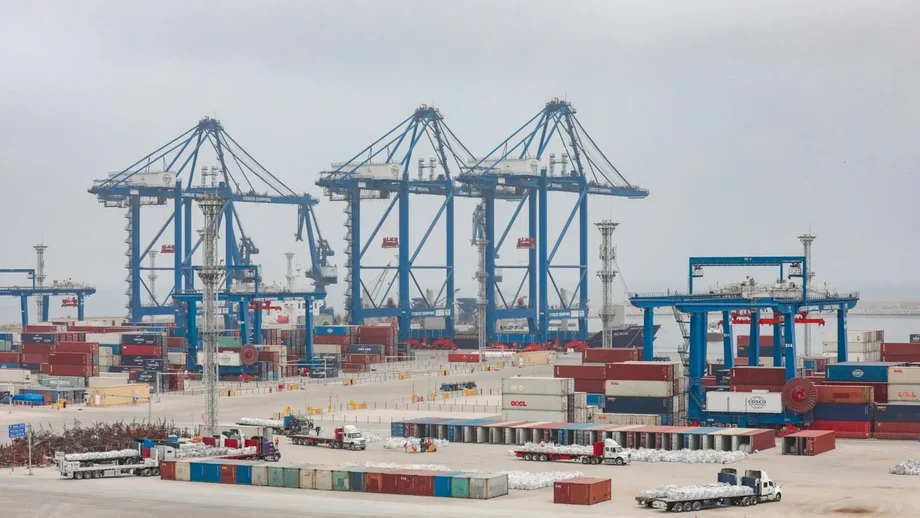
Bilateral merchandise trade reached significant volumes previously, and the new trade negotiations build upon established cooperation channels such as the Suzhou Industrial Park, the Tianjin Eco-City, and the Chongqing Connectivity Initiative. Singapore remains a major source of foreign direct investment for China, while both nations explore new avenues in green industries, transport infrastructure, and digital trade governance to support sustainable economic growth.
Strengthening Cybersecurity and Countering Online Scams
Cybersecurity infrastructure across Southeast Asia has seen substantial enhancement through collaborative regional initiatives and operational response centers. The physical facility of the ASEAN Regional CERT, located in Singapore, enables member states to share intelligence concerning cyber threats and conduct joint capacity-building programs. This computer emergency response team operational platform successfully onboarded all member states and the regional secretariat to coordinate rapid defenses against transboundary digital attacks.
Alongside cybersecurity efforts, regional authorities prioritized combatting digital scams through a dedicated working group and specialized policy guidelines. Ministers welcomed the introduction of practical guidance for governments and telecommunications regulators to disrupt scam operations and protect public safety. These collaborative measures aim to raise operational barriers for bad actors attempting to exploit telecommunication channels across member states.
Managing Global Technology Dynamics and Openness
Navigating intensifying technological competition between major global powers requires a balanced approach to trade and innovation. Prime Minister Lawrence Wong emphasized that Singapore seeks to remain an open testing ground where technologies from different geographic origins can be deployed safely. Illustrating this open approach, Chinese autonomous vehicle firms conduct commercial trials in Singapore, while American autonomous vehicle companies prepare to launch commercial services in the country.
While acknowledging that some technological separation remains inevitable in sensitive sectors like advanced microprocessors, leaders expressed commitment to preserving open channels for general commerce and digital services. Singapore authorities continue to cooperate with international partners by sharing information to assist enforcement efforts while ensuring local entities comply with established domestic and international legal standards.
Timeline of Key Digital and Diplomatic Developments
- Early 2010s: Malaysia, the Philippines, and Singapore enact their first general data protection laws.
- January 2024: The fourth digital ministers meeting takes place in Singapore, advancing regional technology frameworks.
- January 2025: Singapore concludes its chairmanship at the fifth ministerial meeting in Thailand, handing over leadership.
- November 2025: Prime Minister Lawrence Wong meets Chinese leaders in Shenzhen and Beijing to launch free trade upgrade talks.
- January 2026: The sixth digital ministers meeting convenes in Ha Noi, Viet Nam, endorsing new masterplans and data guides.
At a Glance
- Ministers endorsed a draft guide simplifying cross-border data flows between ASEAN markets and China.
- The sixth digital ministers meeting in Ha Noi adopted the digital masterplan spanning through 2030.
- Singapore and China launched formal negotiations to upgrade their bilateral free trade agreement.
- Artificial intelligence testing frameworks were aligned with international standards to reduce compliance friction.