
Ang unang minuto ng telebisyon ay nagbabago sa power button
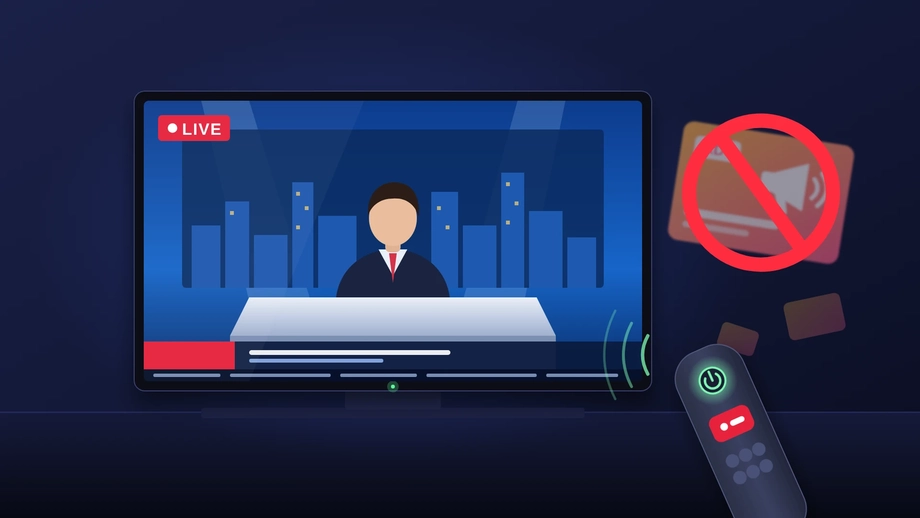
Kalakhang Disyembre 27, ang sinumang nasa Tsina na nag-switch on ng cable set-top box o telecom IPTV box ay dapat makakita ng buong screen na live broadcast channel sa halip na video advertisement.
Mga Nilalaman
- Ang unang minuto ng telebisyon ay nagbabago sa power button
- Ang mga numero na napatuloy ang regulator sa aksyon
- Dalawang order, dalawang klase ng telebisyon
- Anong ang mga panuntunan ay nangangailangan, linya sa linya
- Kung gaano katagal ang isang operator ay nag-iignore nito
- The gap: the television's own firmware
- Hotels and group subscribers are covered too
- A 2011 rule finally catching up with IPTV
- What a viewer can do if an advertisement still appears
- Key Points
Ang dalawang departmental rules mula sa National Radio and Television Administration ay nagsimula sa araw na iyon: ang Order No. 17, ang Regulations on the Administration of Cable Broadcasting and Television Operation Services, at ang Order No. 18, ang Interim Regulations on the Administration of Interactive Internet Protocol Television Operation Services.
Ang mga panuntunan ay nagiging pampakilalas na regulasyon ang isang praktis na kanilang itinakbo sa pamamagitan ng mga kampanya.
Ang mga live channel ay may prioritas, ang box ay direktso sa buong screen na live television, dapat may available na channel replay entry, at hindi maaaring magsimula ang advertisement.
Ang saklaw ay malaki. Ayon sa mga figure na inihayag mula sa industriya, ang cable television ay may humigit-kumulang 205 milyong subscribing households sa huling bahagi ng Hunyo, at ang IPTV ay higit sa 400 milyong.
Ang administrasyon ay sinabi na sa Oktubre, higit sa 284 milyong cable at IPTV users ay nangyari nang ilipat sa startup screen na direktang papunta sa live television nang walang advertisement, at naibaba ang mga paid packages ng higit sa 70%.
Ang mga 284 milyong na-converted users ay bahagyang mas mababa sa kalahati ng humigit-kumulang 605 milyong cable at IPTV subscriptions na binili noong Hunyo, na nagpapakita kung gaano katumpak ang trabaho bago nagsimula ang mga panuntunan at kung gaano ito nakadepende sa kasalukuyang pagpapatupad.
Para sa isang household, ang pagbabago ay mas maliit kaysa sa isang headline at mas malaki kaysa sa nararamdaman. Tinatanggal nito ang isang hakbang na dating nasa pagitan ng remote control at ng programa, at ginagawa nito ito sa pamamagitan ng batas sa halip na sa isang setting na naiimbak sa menu.
Ang mga numero na napatuloy ang regulator sa aksyon
Ang isang 2022 survey ng China Home Appliance Network, sa mga 1,191 elderly respondents, ay natuklasan na 49.6% hindi nakapunta direktang sa programa na gusto nila pagdating pagkatapos mag-switch on, at 28% ay nagsabi na sapat na ang mga device nila at hindi sila marunong mag-switch sa pagitan ng mga ito.
Ang pambansang araw-araw na rate ng mga television na pinapag-switch on ay bumaba mula humigit-kumulang 70% noong 2016 hanggang 30.2%.
Mga mas mababang viewers ang lumayaw dahil sa mga dahilan na nasa labas ng television set, sa mga cellphone at streaming apps. Madalas huminto ang mga mas magagandang viewers sa pagkakataon na dahil komplikado ang gateway sa screen.
Ang pagsulat ng "live television at startup" sa isang regulasyon ay nagbubaba ng pagkakamay ng unang hakbang, at nangangahulugan ito na ang isang taong hindi marunong mag-layag sa mga layered menus ay maaaring pindutin ang isang button at makakita ng isang larawan.
Ang mga panuntunan ay mayroon ding madaling madala ang isang kláusula: ang isang user complaint ay dapat sagutin sa loob ng 10 working days. Ang 2011 regulation na nauna sa mga bagong panuntunan ay nagsaad na ng parehong deadline para sa cable operators, kaya ito ay isang gawain ng administration na pinapanatili, hindi nagawa.
Dalawang order, dalawang klase ng telebisyon
Ang dalawang dokumento ay naghahati ng merkado sa pamamagitan ng network na nagdadala ng signal. Ang Order No. 17 ay nakabahagi sa cable broadcasting at television operation services: ang cable line papasok sa bahay, ang set-top box ng isang broadcaster, o ang smart television na naka-connect sa cable signal.
Ang Order No. 18 ay nakabahagi sa interactive IPTV operation services, ibig sabihin ang broadband set-top box na ibinigay ng isang telecom carrier.
Ang parehong itinatala ang kanilang saklaw nang malawak, sumasaklaw sa mga serbisyo na ibinigay nang direkta o indirekta sa mga indibidwal na users, household users, at group users tulad ng mga hotel. Ang parehong nagbibigay ng obligasyon sa operator, ang kumpanya na tumatakbo ng serbisyo, hindi sa viewer.
Ang Order No. 18 ang mas malalim na sa mga regulatory terms. Hanggang ngayon, ang ban sa startup advertising ay nasa isang panuntunan na isinulat para sa cable operators, na nagwawakas sa mga fast-growing IPTV business. Isang set ng obligasyon ngayon ang nakakataas sa parehong.
Anong ang mga panuntunan ay nangangailangan, linya sa linya
- Unahin ang live television: ang mga operator ay dapat mag-implement ng buong screen na live television sa startup, magbigay ng channel replay entry, at hindi magsimula ng advertisement.
- Ang mga smart televisions ay dapat sumuporta sa pagpapakita muna ng live channels at magbigay ng komportableng settings entry, para makapili ang viewer kung ang set ay bubuksan sa live television o sa interactive homepage.
- Kung ang interactive homepage, kabilang ang mga pages, navigation bar, status bar at recommendation slots, ay dapat sumunod sa mga requirement ng State Council department na naghahandang sa broadcasting.
- Dapat magkaroon ng isang free section sa unang page ng interactive interface, na may magandang free content na inirerekomenda, bawasan ang bilang ng paid columns, malinaw na binabanggit ang mga programme prices, at kontrolin ang app sections at order at payment management.
- Kailangang i-optimize ang mga terminals upang maikliin ang startup time, at hinihikayat ang mga operator na gumamit ng voice remotes, phone remotes at artificial intelligence upang mapabuti ang karanasan.
- Kailangan i-simplify ang remote control operation para so one button on the remote ay mag-switch sa live signal source.
- Ang hotel at iba pang group users ay dapat maging unahin ang live television at sundin ang mga requirement ng administration.
Ang requirement ng free section ay sumasalamin sa isang reklamo ng mga viewers sa loob ng maraming taon, na ang unang screen ng isang paid television service ay isang pader ng subscription offers. Ang pagbawas ng bilang ng paid columns at ang malinaw na pagbibigay ng presyo ay nakatulong sa practice na kilala sa China bilang nested fees, kung saan ang isang subscription ay nasa loob ng isa pa.
Kung gaano katagal ang isang operator ay nag-iignore nito
Ang isang operator na hindi nakapagtapos na maglagay muna ng live television, hindi nagbibigay ng buong screen na live television sa startup, o nagpapalabas ng startup advertising ay maaaring humarap ang isang order upang ito ay ito, a warning and a public criticism notice. In serious cases the fine runs from 10,000 to 100,000 yuan.
The older rules carried smaller penalties. The 2011 regulation set fines of 10,000 to 30,000 yuan for the most serious breaches of duties such as reporting channel changes and protecting user information, and fines of 5,000 to 20,000 yuan for others. The ceiling on the new orders is more than three times higher.
The gap: the television's own firmware
A viewer whose smart television connects directly to the public internet through its own operating system sits outside both orders. That setup, known as OTT (over the top), covers televisions from brands such as Xiaomi, Hisense, TCL and Skyworth, and boxes such as Xiaomi's and Tmall's Magic Box. Advertising that a manufacturer's firmware plays before the set-top box signal appears comes from the television maker, not from the cable or IPTV operator.
For manufacturers, the rules ask only that a smart television support presenting live channels first and offer a convenient settings entry. The phrase forbidding startup advertising, written for operators, does not appear in the manufacturer clause. The same living room can therefore have two startup screens, and the rules have closed the one that runs through the operator's box.
About 93% of smart television models had already added a one button switch to close startup advertising, which leaves the viewer to dismiss the advertisement rather than the operator to remove it. The distance between a button that closes an advertisement and a rule that forbids it is the difference between a choice and an obligation.
No date has been published for extending the same ban to manufacturer firmware, and the two orders set no timetable for it. What the rules do settle is the order of work: the box side has a named operator, a penalty clause and a complaint channel, which makes it the end that can be enforced first.
Hotels and group subscribers are covered too
Group users, which in practice means hotels, hospitals and other institutions that buy television service in bulk, must also follow the live first principle. A traveller who switches on a hotel television will be covered by the same obligation as a family at home, because the duty sits with the operator that supplies the service to the building.
A 2011 rule finally catching up with IPTV
The regulation now being replaced was published as Order No. 67 of the then State Administration of Radio, Film and Television on December 2, 2011, signed by its director Cai Fuchao, and took effect on March 1, 2012. It was revised on March 23, 2021, under a decision by the National Radio and Television Administration amending a second batch of departmental rules.
The old text already barred cable operators from playing startup advertising and already required them to open into full-screen live television. It also required operators to give users a convenient settings entry to choose between live television and an interactive homepage, set a 10 working day deadline for answering complaints, required 24 hour booking of a repair visit, and set repair deadlines of 24 hours for urban faults and 72 hours for rural or hard to reach areas, with 48 hours for major faults. One clause protected a basic service even during a payment dispute: while a subscription is suspended, an operator may not cut the China Central Television first channel signal.
What the old rule did not do was address IPTV startup advertising, and it did not oblige smart televisions to present live channels first. Order No. 17 and Order No. 18 close both gaps, and the repair and complaint standards now carry over to IPTV operators as well.
The rules also write in elderly, minor and accessibility modes, and require reduced fees for households on minimum living guarantees and for people in extreme poverty, extending protections that the 2011 text had set for disabled and elderly users and low income households.
What a viewer can do if an advertisement still appears
If a cable or IPTV box still shows an advertisement on startup, the route the rules provide runs through the operator first. A viewer can record a short video, call the operator's customer service line, and expect an answer within 10 working days. If no answer comes, the next stop is the local broadcasting and television authority, which is also the body that issues the warning and the fine.
City level broadcasting authorities are the ones that receive complaints and carry out inspections, with county level and above authorities empowered to order corrections. The administration also runs service quality evaluations and spot checks, and publishes the results, which gives viewers a second way to compare operators.
One simple test tells a household which rule applies to it. Unplug the set-top box, switch the television on, and look at what appears; plug the box back in and switch on again. The difference between the two screens is the difference between the operator's startup screen, now covered by the ban, and the manufacturer's, which is not.
Key Points
- National Radio and Television Administration Orders No. 17 and No. 18 took effect on November 27, covering cable television and IPTV operation services.
- Operators must open into full-screen live television, offer a channel replay entry and stop playing startup advertising.
- Serious breaches draw a warning, a public criticism notice and a fine of 10,000 to 100,000 yuan, up from a top of 30,000 yuan in the 2011 rules.
- Cable television had about 205 million subscribers at the end of June, IPTV more than 400 million; more than 284 million users had already been converted to a live-first startup by October.
- Paid packages have been cut by more than 70%, and 93% of smart television models already offer a one button switch to close startup advertising.
- Smart televisions connected directly to the internet, and OTT boxes from brands such as Xiaomi and Tmall, fall outside the two orders; manufacturers are only asked to support live channels first.
- Hotels and other group subscribers are covered by the live first requirement.
- Complaints must be answered within 10 working days, with unresolved cases going to the local broadcasting authority.
- A 2022 survey of 1,191 elderly viewers found 49.6% could not reach the programme they wanted after switching on, and the national daily television switch-on rate had fallen to 30.2%.